Historically, about 10% of screen projects were book adaptations; today, that number has skyrocketed closer to 40% globally. An original screenplay has to build an audience from scratch. A book, however, acts as a proof of concept. If you pitch a script to a producer, they might hesitate; if you pitch them a published novel with a built-in audience, they see guaranteed viewers. Publishers are even pitching manuscript options to studios before the book is printed.
Why now?

Platforms need an endless stream of content to prevent subscribers from cancelling their membership. Books naturally provide a structured, deep, multi-chapter canvas that translates perfectly into 8-episode prestige television.
Hollywood is no longer just chasing The New York Times bestseller list; they are actively hunting viral trends. When a niche genre explodes on social media, studios rush to buy the rights because the passionate fandom guarantees massive day-one viewership and organic, free marketing through fan-casting videos and reaction clips.
Does “the book was better” still hold true?
For decades, this was an undisputed rule of thumb. But the landscape of adaptation has radically evolved, shifting from the constraints of the two-hour film to the canvas of the multi-episode limited series, and from rigid chronological pacing to direct author involvement in the writers’ room.
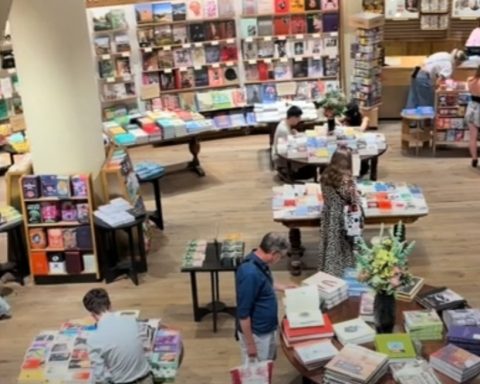
Today’s prestige television allows a story to breathe. Modern adaptations can dedicate entire episodes to internal emotional conflicts or minor subplots, beautifully mimicking the natural pacing of reading. As a result, audiences are starting to view adaptations not as a replacement for the text, but as a visual companion piece. A successful show now regularly triggers a massive watch-then-read phenomenon, sending viewers rushing to bookshops to uncover the deeper internal monologues and world-building that even the best cameras simply cannot capture.