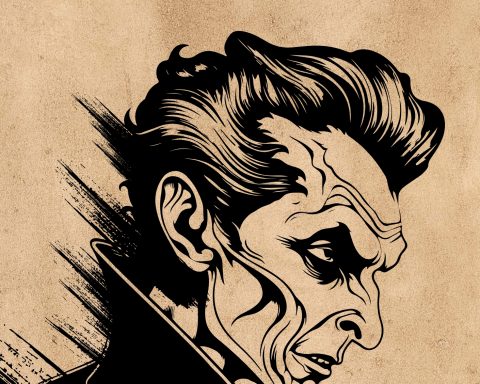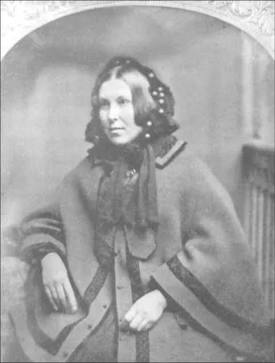
Long before Count Dracula ever emerged from the shadows of Transylvania to haunt Gothic literature, the dark imagination of Bram Stoker was cultivated in a bedridden childhood in Dublin. The architect of that imagination was his mother, Charlotte Blake Thornley Stoker. A woman of formidable intelligence, social conscience and narrative flair, she provided the emotional foundation and gothic raw material that would shape one of the world’s most enduring literary legacies.
Born in Sligo in 1818, Charlotte was a natural storyteller whose early life was scarred by tragedy. In 1832, when she was just fourteen, a devastating cholera epidemic struck her hometown. Thousands perished in horrific conditions and the young Charlotte witnessed scenes of terror, grief and survival struggles. Decades later, she would recount these vivid memories to her third child, Bram, who spent the first seven years of his life bedridden with an undiagnosed illness.
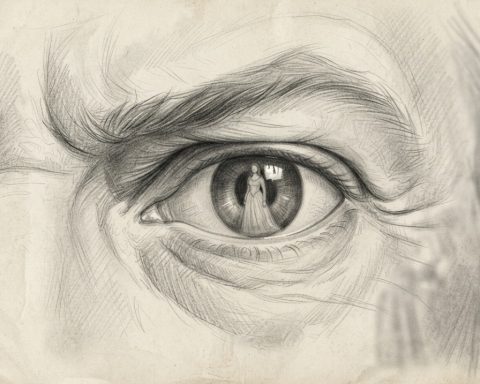
Bound to his bed in Marino Crescent, young Bram depended entirely on his mother for comfort and entertainment. Charlotte sat beside him for hours, weaving tales of Irish folklore, banshees, phantom ships and her own harrowing experiences during the Sligo plague. She described victims mistakenly buried alive, desperate doctors fighting an unseen killer and the overwhelming sense of dread that paralysed the whole province of Connacht.
These macabre bedtime stories became the seedbed for Stoker’s imagination. Scholars frequently point to Charlotte’s accounts of cholera as a major influence on Dracula. The vampire’s spread across London mirrors the unstoppable march of a contagious plague, whilst the fear of premature burial and the suspended state between life and death are central motifs directly traceable to Charlotte’s childhood memories.
Beyond horror tales, Charlotte instilled in Bram a deep sense of social justice and intellectual ambition. She was an early advocate for women’s rights and social reform, writing essays on state-supported education and the treatment of the destitute. Her sharp mind and active involvement in civic matters taught Bram to look closely at the anxieties of Victorian society. When he eventually recovered his health and went on to excel at Trinity College Dublin, he carried with him his mother’s passion for storytelling, respect for discipline and fascination with the macabre.
Charlotte Stoker died in 1901, four years after Dracula was published. Her lasting legacy lives on in every shadow, coffin and Gothic thriller spawned by her son’s pen. Bram Stoker gave the world Count Dracula, but it was Charlotte who first taught him how to dance with the dark.