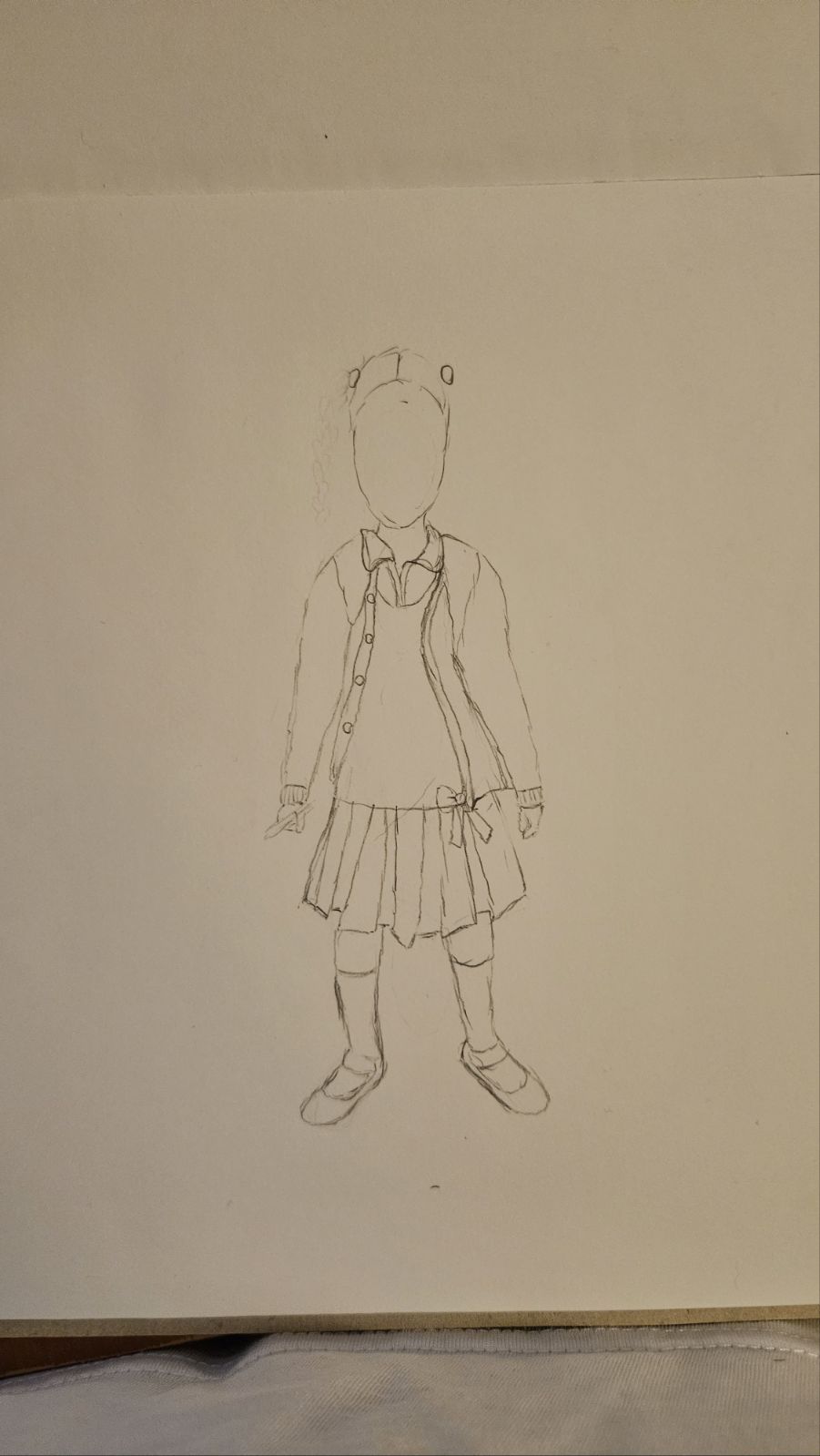
The morning bell echoed through the corridor like a heavy brass coin falling into a deep well. I stood in the doorway of 4B, second floor, fastening the top button of my cardigan. The wool felt heavy against my collarbone, coarse and familiar, yet the rest of me seemed entirely weightless.
When I stepped past the threshold, twenty-nine pairs of eyes turned towards me, followed immediately by twenty-nine gasps.
‘Silence, class,’ Mr Ashcroft commanded, his voice dry as parchment. He tapped his chalk against the blackboard, leaving three white dots that floated off the slate and drifted like tiny soap bubbles towards the ceiling. ‘We have a new pupil joining us today.’
He turned to look down at me, squinting through his thick reading glasses. He reached into his jacket pocket, drew out a small graphite pencil and pointed it at my shoulders.
‘You appear to have forgotten your features at home,’ he said calmly, as though reminding me about a misplaced gym kit.
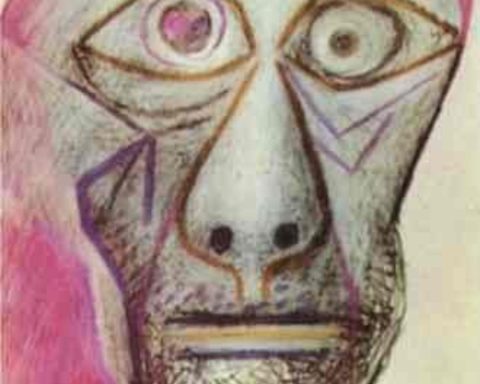
I reached up to touch my face. Where my cheeks, nose and eyes ought to have been, my fingers met only smooth skin, dry and blank. I could feel the faint pencil outline framing my head, a light, sketchy boundary holding back the empty void where a smile or a blink should be.
‘Take a seat next to Oliver,’ Mr Ashcroft instructed.
I walked down the narrow schoolroom aisle, my Mary Jane shoes making no sound against the wooden parquet floor. The other children leaned away as I passed, their faces carved from polished oak and painted with glossy enamels. Oliver did not look up. He was busy erasing his own left arm with a rubber, carefully sweeping away the grey curls of friction dust until his sweater sleeve ended in nothing at all.
‘Does it hurt?’ I asked, though I had no lips to form the words. The sound simply hovered in the air between us like a green ribbon.
‘Not really,’ Oliver murmured, keeping his gaze fixed on his desk. ‘It is just easier this way. If you do not draw yourself completely, nobody can ask you to explain who you are.’
During art class, we were given wide sheets of heavy cartridge paper and pots of brown ink. The instruction was simple: paint what you see in the mirror.
I sat in front of the small oval looking glass on my desk. Reflected in its surface was the dark collar of my shirt, the neat button line of my cardigan and the sharp folds of my skirt resting above my long socks. But above the neck, the mirror showed only the beige wallpaper of the room behind me, completely undisturbed.
I dipped my brush into the dark brown ink. The bristles trembled. I brought the tip to the glass, tracing where an eyebrow might belong, but the ink slid off the smooth surface and dripped onto my lap.
When the final bell chimed, the classroom emptied in a rustle of paper and uniform skirts. I remained at my desk, watching the sun set in shades of tea and burnt umber.
I picked up Oliver’s forgotten graphite pencil from the floor. Holding it against the blank space above my collar, I did not draw eyes to see with or a mouth to speak. Instead, I drew a single, delicate bow tied into the fabric of my cardigan, securing the outline tighter against the quiet evening air. I was not finished yet, but the space felt less like a lack of identity and more like a place waiting for the story to begin.