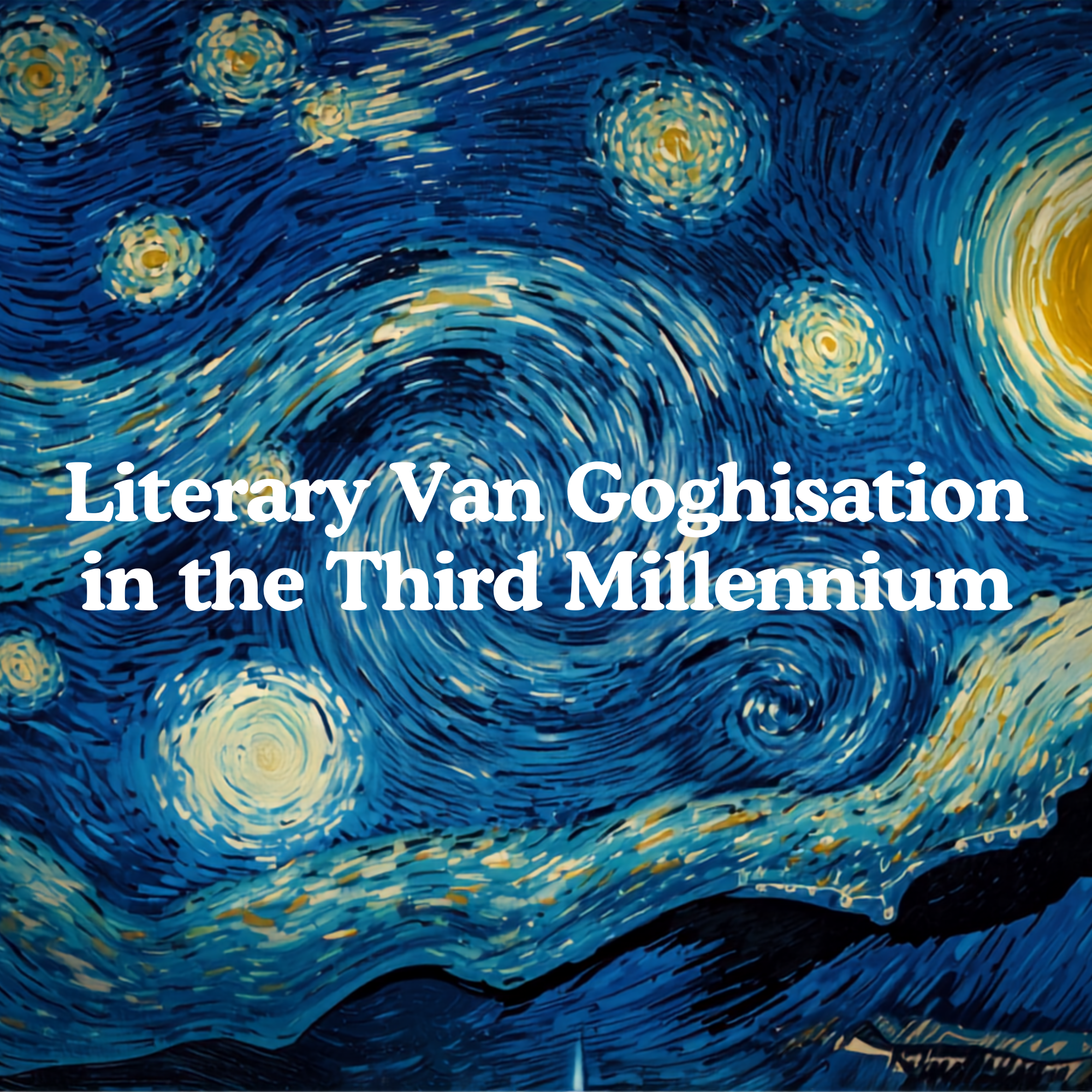
The phenomenon of Van Goghisation, named after the post-impressionist painter Vincent van Gogh whose artistic genius was famously recognised only after his tragic death, describes the structural delay between creative production and critical validation. In the twenty-first century, this mechanism has undergone a profound transformation. Rather than operating as a historical anomaly driven by institutional conservatism or geographical isolation, Van Goghisation has been codified into a defining structural condition of the digital literary landscape.
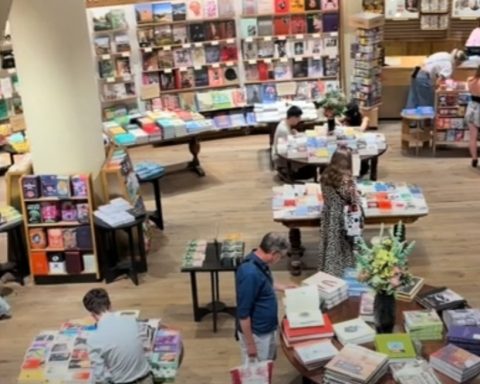
The primary catalyst for this shift is the algorithmic commodification of contemporary publishing [Srnicek 2017]. Today, literary merit is increasingly conflated with immediate marketability, social media engagement and algorithmic appeal [Striphas 2011]. Search engine optimisation, pre-order metrics and viral marketing campaigns dictate which texts receive promotional resources and critical visibility. Consequently, works characterised by unconventional narrative structures, stylistic complexity or challenging thematic material are frequently pushed to the periphery. Where Van Gogh suffered from institutional neglect within nineteenth-century art academies, contemporary writers producing non-conformist literature face an automated filter that systematically deprioritises works failing to yield immediate digital metrics.
Paradoxically, the third millennium simultaneously offers unprecedented tools for archive preservation and hyper-fast publication. Digital repositories, self-publishing platforms and decentralised web networks ensure that rejected or overlooked literature is rarely truly lost [Ernst 2013]. This dynamic creates a distinct form of digital Van Goghisation: a delayed trajectory of recognition where works circulate quietly in digital subcultures, obscure online forums or niche publishing ecosystems before being rediscovered by broader audiences [De Kosnik 2016]. Recognition no longer requires decades of posthumous survival through physical artefact preservation; instead, it relies on algorithmic rediscovery, unexpected digital curation or shifting cultural discourse.
Furthermore, the accelerated pace of contemporary cultural consumption alters the temporal frame of critical consensus [Rosa 2013]. In previous eras, decades were required to evaluate whether a text had enduring value. Today, the rapid obsolescence of digital trends creates compressed cycles of neglect and revival. Texts published in the early 2000s are already undergoing critical reassessment, rescued from initial oblivion as the socio-technological conditions of their production become objects of historical study [Fisher 2009].
Crucially, the third millennium has not abolished the gap between artistic creation and critical recognition; it has institutionalised it. The literary Van Goghisation of our era reflects a fundamental tension between market efficiency and creative innovation, proving that the digital age continues to bury its most challenging voices only to unearth them when the culture finally catches up.
References:
• De Kosnik, A. (2016) Rogue Archives: Digital Cultural Memory and Media Fandom. Cambridge, MA: MIT Press.
• Ernst, W. (2013) Digital Memory and the Archive. Minneapolis: University of Minnesota Press.
• Fisher, M. (2009) Capitalist Realism: Is There No Alternative? London: Zero Books.
• Rosa, H. (2013) Social Acceleration: A New Theory of Modernity. New York: Columbia University Press.
• Srnicek, N. (2017) Platform Capitalism. Cambridge: Polity Press. • Striphas, T. (2011) ‘Algorithmic culture’, European Journal of Cultural Studies, 14(1), pp. 102–112.