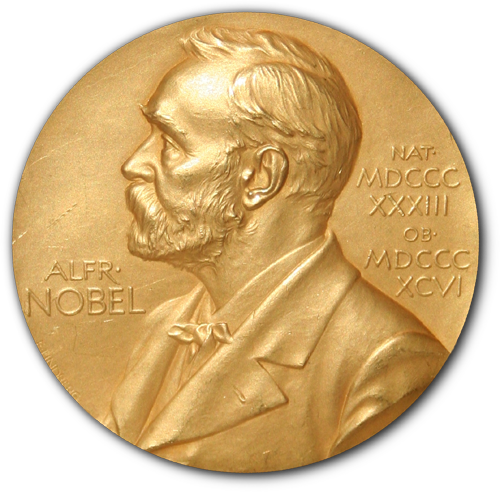
According to the official statute of the Nobel Foundation, all information regarding nominations, considerations and investigations for the prizes is kept secret for exactly 50 years.
Historically, the Nobel Committee typically receives around 200 to 350 proposals from qualified nominators each year before trimming the list down to a handful of preliminary candidates.
Top Six Frontrunners and Odds
Even if the specific data for 2026 will not be officially unsealed until 2076, prediction markets and literary circles point to several high-ranking contenders and perennial favourites:
• Anne Carson &
• Thomas Pynchon: They are both widely discussed as prime candidates, with the highest implied probability.
• Can Xue: The avant-garde, experimental writer remains a heavy favourite and a constant name at the top of international odds.
• Amitav Ghosh: Frequently featured with strong backing in prediction markets.
• Haruki Murakami &
• Mircea Cărtărescu: Perennial favourites in international literary speculations and book-lover pools.
Six candidates, six countries: Canada, the United States, China, India, Japan and Romania
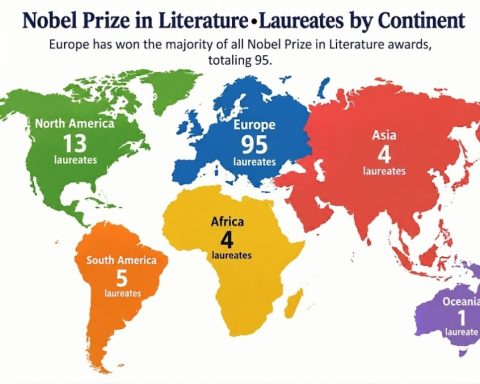
North America and Asia hold the highest implied chances for this year’s Nobel Prize in Literature. While the Swedish Academy does not release geographic odds, current activity on platforms like Kalshi and international bookmakers like Ladbrokes points to the following probability by continent:
• North America – 50%
• Asia – 30%
• Europe – 10%
• Oceania ~5%
• Africa & South America <5%
The ‘Geographic Rotation’ Factor
The Committee actively tries to diversify the prize globally, meaning a recent win from a specific region typically dampens that continent’s chances the following year. Because a European author won in 2025 (the Hungarian László Krasznahorkai) and an Asian author won in 2024 (the South Korean Han Kang), oddsmakers view North America as the most statistically due region for a win this year.
References:
[1] olbg.com
[2] betsson.com
[3] kalshi.com
[4] hudson.org [5] straitstimes.com