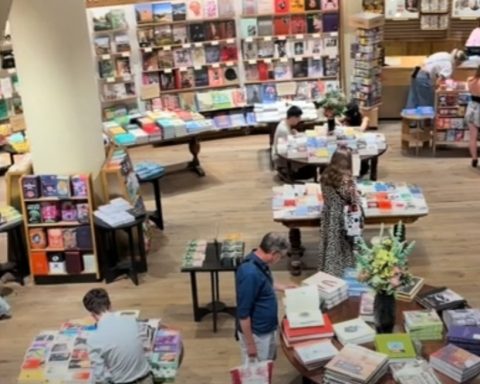
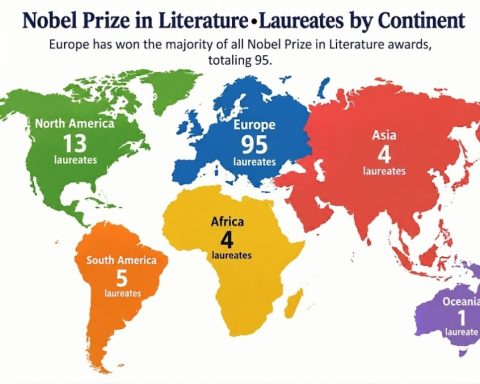
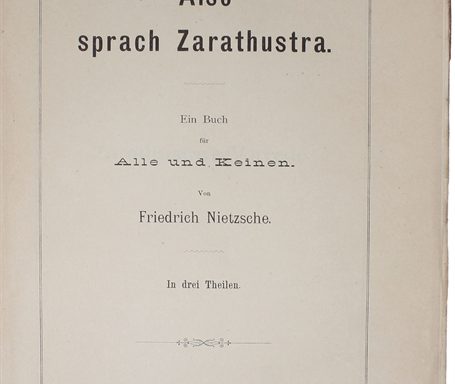
If Literature were a country, it would be the only nation on Earth where a single national day simply isn’t enough to celebrate its scale, history, and citizenship. In this utopian country, the laws of reality don’t apply. We don’t just celebrate real-world history; we celebrate the history created within the pages. One could spin the globe of literary history and find a massive birth, death, publication, or fictional character or event for all 365 days.
Literature is a country funded entirely by imagination and populated by anyone who has ever opened a book. Giving it 365 national days isn’t just accurate; it’s probably an understatement.
Where the Citizens Never Sleep
Unlike any country with geographic borders and time zones, the Country of Literature spans thousands of years and every corner of the globe. At any given second of any day, millions of people are reading, writing, translating, acting, or storytelling. The sun never sets on this empire; therefore, every day is a day of national relevance. If you look at the literary calendar, there isn’t a single square on the page that doesn’t mark something monumental.
To an outsider, it looks like perpetual chaos. To our citizens, it is simply rhythm.
The Calendar
Here, time is not measured in months or in seasons, but in genres. There is the Golden Age of Sci-Fi (mid-summer), the Gothic Romance Winters, and the Crisp Autumn of True Crime.
Every morning at dawn, the Great Tower of Folios sounds its bells. The number of rings indicates the page number of the year, and a massive banner is unfurled over the capital city, announcing the day’s celebration.
Julian, the Calendar Keeper
Julian held the most exhausting jobs in the country: as Keeper of the entire calendar, he was automatically elected as the unicameral Parliament President for life. While regular citizens simply enjoyed the festivities, Julian had to manage the logistics of a nation permanently in a celebratory mood. Every morning, he woke to a mountain of paperwork demanding he balance the scheduling of thousands of literary anniversaries, ensuring Shakespeare never synchronised with Shelley.
The Crisis of the Leap Year
Because the new constitution strictly demanded three hundred and sixty-five National Days, the country faced an existential crisis every four years: The Leap Year.
February 29th was approaching, and the citizens were in a panic. A day without a theme? A day without a story? It was a blank page, a void in the narrative, and the very fabric of their society threatened to unravel. People began hoarding ink, fearing the literal end of time.
Julian called an emergency session of the Parliament. The debate raged for hours. The Realists wanted to ignore the date entirely. The Surrealists wanted to celebrate it yesterday.
Finally, Julian stood up and banged his gavel.
‘My fellow citizens,’ Julian announced, his voice echoing through the vaulted chambers. ‘On February 29th, we shall celebrate the National Day of the Editor’s Cut.’
The chamber fell silent.
‘For twenty-four hours,’ Julian explained, ‘we will do absolutely nothing. We will not write, we will not read, we will not perform. We will sit in the quiet spaces between the words. It is the white margin of our year.’
Editor’s Note
The concept was hailed as a masterpiece. On Leap Day, the whole country fell completely silent. The citizens rested their pens, rested their eyes and voices, and rested their hearts, for in the Country of Literature, every day is a national holiday, because every day, a new story begins.