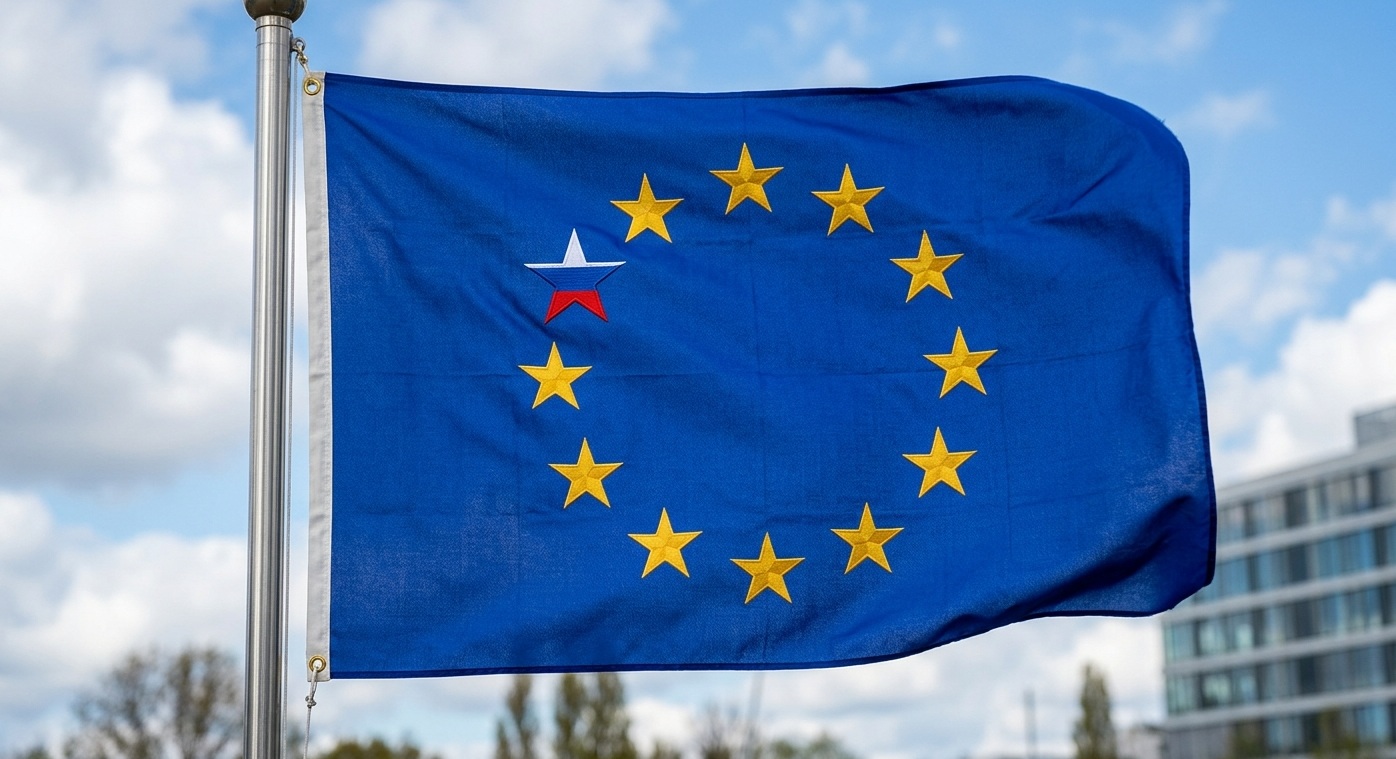
Imagine the Kremlin flying the European flag one day, but look closer at the sheer weight of history, geography and politics making that dream almost impossible.
The likelihood of Russia joining the European Union under a future administration is extremely low. Even with a radically different government in Moscow, immense structural and political barriers would remain.
• First, the sheer size and population of the country would fundamentally shift the internal balance of power within the bloc. Russia would instantly become the most heavily represented nation in the European Parliament, which existing member states would view with deep apprehension.
• Second, fulfilling the Copenhagen criteria requires stable democratic institutions, the rule of law and a fully functioning market economy. Transitioning a vast centralised state to meet these stringent legal standards would take decades of profound institutional overhaul.
• Third, decades of strategic mistrust and security conflicts leave deep geopolitical scars. The European Union relies on consensus among all members, meaning any single country could veto the bid.
While history shows that political regimes can transform dramatically and the old saying goes never say never, integrating a nation of Russia’s scale presents logistical and psychological hurdles that make such an event exceptionally improbable for the foreseeable future.