‘Have you heard that somewhere near the North Pole there is a town where it is illegal to die?’
I was asked this question yesterday by someone who seemed to know what he was talking about, a man who was otherwise in his right mind.
‘Hmm,’ was my short reply. Then, I managed to change the topic of discussion completely.
And here I am, at home, checking the intel. As expected, what I found was a half-truth. You cannot imagine how much I hate half-truths! I always prefer to deal with a pure, beautiful, and complete lie than with a half-truth.
🇳🇴
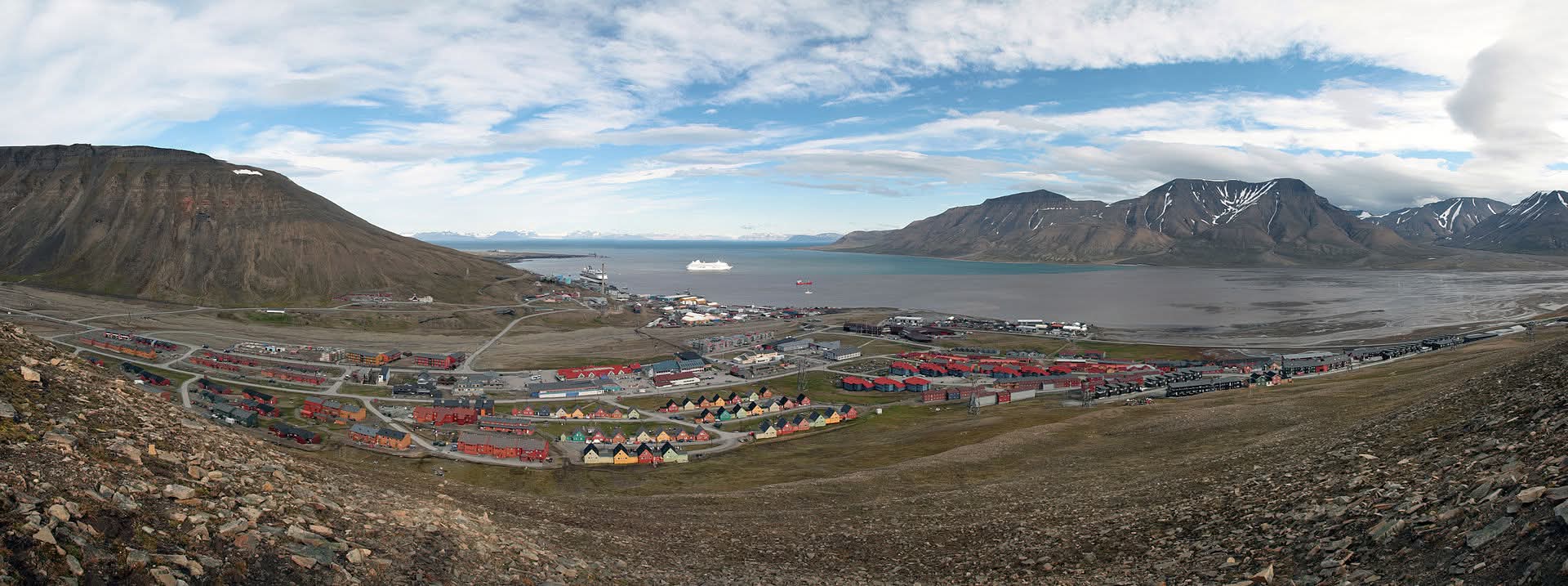
In Norway’s northernmost municipality, Longyearbyen, a local council decision from 1950 disallows the burial of bodies. Elderly or terminally ill residents are usually required to move to Oslo to live out their last days. While it is not actually a prohibition against accidentally dying in the town, the restriction is related to microbiology. In 1950, it was discovered that the bodies of residents who had died as a result of the 1918 flu pandemic had not begun to decompose, because the permafrost preserved them.
🇪🇸
During my research, I also found that death was once prohibited in Lanjarón, a small town in Granada.
Is this just an Andalusian legend? Surprisingly, it is entirely true! In 1999, faced with an overcrowded cemetery and slow government bureaucracy, the town’s mayor, José Rubio, issued a satirical decree forbidding residents from dying. He famously ordered his citizens to take utmost care of their health until the town hall could secure new land. The residents met the strange law with great humour, and it quickly transformed the quiet village into a global media sensation.
This goes to show Europe has plenty of incredible secrets, even when it comes to the afterlife!