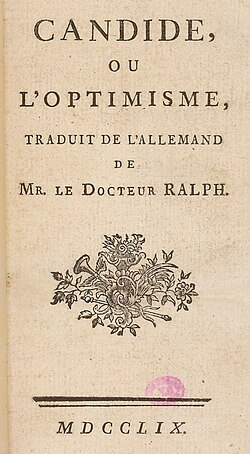
The book is a fast-paced, laugh-out-loud novella that hilariously dismantles extreme, unjustified optimism. If you have ever wondered why bad things happen to good people, this literary gem offers a biting answer wrapped in absurdity.
The Plot
Candide grows up in a lavish German castle. His mentor, Dr Pangloss, teaches him that they live in the ‘best of all possible worlds’, where everything happens for a reason. Candide believes this wholeheartedly until he gets kicked out for kissing the baron’s daughter, Cunégonde.
The episode is just the beginning of the disaster. Candide faces war, shipwreck, earthquake, religious persecution, slavery and disease. Despite suffering endless horrors, Dr Pangloss repeatedly insists that every tragedy is secretly a good thing.
Why It Matters
The Age of Enlightenment’s French philosopher wrote this story to mock Leibnizian optimism, a popular philosophy at the time claiming that God created a perfect world. By throwing his innocent main character into a world of catastrophes, Voltaire shows how ridiculous it is to ignore real human suffering with blind faith.
The Verdict
At under 100 pages, Candide is shockingly readable for an 18th-century masterpiece. It plays like an energetic dark comedy movie, packed with over-the-top violence, sharp satire and timeless humour. It is the ultimate antidote to toxic positivity and an essential read for absolute beginners.
Post Scriptum
Voltaire’s interior garden – is a famous philosophical metaphor from the novel. The quote comes from the final page of the story, where a wise Turkish farmer tells Candide, Dr Pangloss and Martin (a pessimistic scholar) that working the land keeps people away from three great evils: boredom, vice and need. The core idea behind cultivating your garden is focused on doing practical, tangible work instead of arguing empty philosophies, protecting the mind through action and focusing on what you can directly control.